

Recent advancements in high-temperature resistant materials focus on several key areas, driven by technological progress, growing industrial demand, environmental regulations, and emerging application scenarios. Below are the specific breakthroughs, their reasons, and a summary table for clarity.
1. Development of New High-Temperature Advanced Ceramics and Composites
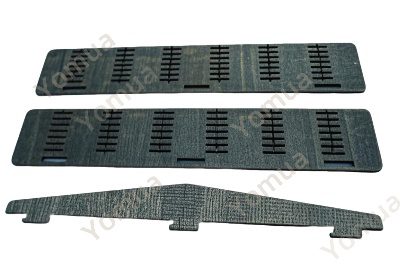
- Breakthrough: Development of ceramic matrix composites (e.g., carbon fiber-reinforced ceramics) and nanofiber aerogels capable of withstanding temperatures above 2000°C. For instance, South China University of Technology developed heavy-duty ceramics with high thermal insulation, capable of enduring 2000°C and heavy loads. Harbin Institute of Technology created sub-ceramic nanofiber aerogels that remain stable at 1300°C under extreme conditions, enduring 10,000 thermal shock cycles.
- Reasons:
- Aerospace Demand: Spacecraft, fairings, and spacesuits require materials that perform under extreme heat, driving research into high-performance ceramics.
- Technological Advancements: Materials genome initiatives and computational simulations have accelerated material design and performance optimization, while nanotechnology enhances heat resistance and oxidation resistance.
- Energy Efficiency and Environmental Concerns: Ceramic fibers and lightweight composites with low thermal conductivity reduce energy loss, aligning with stringent environmental regulations.
2. Market Expansion and Performance Enhancement of Superhard Materials
- Breakthrough: Superhard materials (e.g., synthetic diamond, cubic boron nitride) are projected to reach a market size of 17.15 billion yuan by 2025, with applications in new energy, semiconductors, and aerospace. New superhard materials excel in high-precision machining, optics, and electronics.
- Reasons:
- Emerging Industry Needs: The rapid growth of photovoltaics, electric vehicles, and semiconductors has increased demand for superhard materials, particularly in wire saws and precision machining tools.
- Global Competition: China’s dominance in the global superhard materials industry and expanding export markets (e.g., India, USA) have spurred technological upgrades and capacity expansion.
- Technological Innovation: Advances in synthesis processes and composite technologies have significantly improved the wear resistance and heat tolerance of superhard materials.
3. Breakthroughs in High-Temperature Alloys
- Breakthrough: Superalloys like SpaceX’s SX500 can withstand temperatures exceeding the melting points of traditional metals, used in rocket engines and other extreme environments. High-strength, oxygen-burn-resistant alloys and lightweight aluminum-lithium alloys have also advanced in aerospace and new energy vehicle applications.
- Reasons:
- Extreme Environment Needs: Rockets, heavy helicopters, and high-speed trains require materials with high heat and corrosion resistance, driving alloy performance improvements.
- Metallurgical Advances: Advanced metallurgical techniques and optimized alloy formulations have enhanced creep resistance and heat tolerance.
- Lightweighting Trends: Demand for lightweight, high-strength materials in new energy vehicles and aerospace has fueled the development of new alloys.
4. Innovations in Thermal Insulation and Refractory Materials
- Breakthrough: The market for thermal insulation and refractory materials (e.g., ceramic fibers, lightweight castables) is expected to grow at a 4.9% CAGR from 2025 to 2031, with applications in steel, chemicals, and electric vehicle battery thermal management. New materials34 feature lower thermal conductivity and finer pore structures.
- Reasons:
- Energy-Saving Needs: Industrial furnaces and boilers require reduced heat loss, and insulating refractories significantly improve energy efficiency.
- Environmental Regulations: Global emphasis on low-carbon emissions has driven the development of eco-friendly refractory materials, using sustainable raw materials and green manufacturing processes.
- New Applications: Emerging fields like electric vehicle battery thermal management have increased demand for high-performance insulating materials.
5. High-Temperature Cables and Wires
- Breakthrough: The high-temperature cable market is growing rapidly, with new cables capable of stable signal or power transmission above 180°C, used in aerospace, energy, and industrial automation.
- Reasons:
- Industrial Automation: Increased demand for high-temperature cables in automated equipment operating in hot environments.
- Technological Innovation: New insulating materials and conductor alloys have improved the heat resistance and reliability of cables.
- Market Expansion: Rapid changes in the Chinese market and a growing global share have driven R&D and production of high-temperature cables.
Summary Table: Breakthroughs in High-Temperature Resistant Materials
| Material Category | Breakthrough | Key Applications | Reasons for Breakthrough |
|---|---|---|---|
| Ceramics & Composites | Ceramics and aerogels enduring >2000°C, stable under 1300°C with 10,000 cycles | Aerospace (spacecraft, fairings), energy | Aerospace needs, materials genome initiatives, nanotechnology, energy efficiency requirements |
| Superhard Materials | Market to reach 17.15B yuan by 2025, improved wear/heat resistance | Semiconductors, photovoltaics, aerospace | Emerging industries, global competition, synthesis process innovations |
| High-Temperature Alloys | Superalloys (e.g., SX500), lightweight aluminum-lithium alloys | Rocket engines, aerospace, new energy vehicles | Extreme environment needs, metallurgical advances, lightweighting trends |
| Thermal Insulation & Refractories | 4.9% CAGR (2025-2031), lower thermal conductivity, finer pores | Steel, chemicals, EV battery thermal management | Energy-saving needs, environmental regulations, new applications |
| High-Temperature Cables | Stable transmission above 180°C | Aerospace, energy, industrial automation | Industrial automation, new insulating materials, market expansion |
Overall Drivers of Breakthroughs
- Industrial Demand Growth: Rapid development in aerospace, new energy, and semiconductors has raised requirements for high-performance high-temperature34 materials.
- Technological Innovation: Nanotechnology, materials genome initiatives, and advanced manufacturing have accelerated the development and optimization of new materials.
- Environmental and Sustainability Goals: Stricter global environmental regulations have spurred the development of low-energy, recyclable high-temperature materials.
- Policy Support: China’s “Made in China 2025” strategy and local government incentives have encouraged new material development.
Future Trends
- Intelligent Design: AI and big data will optimize material performance prediction and screening.
- Multifunctionality: Development of composites combining high-temperature resistance, corrosion resistance, and lightweight properties.
- Green Development: Industrialization of bio-based, recyclable high-temperature materials to reduce environmental impact.
These breakthroughs not only enhance material performance but also provide critical support for industrial upgrades and sustainable development.